LEAD MANAGEMENT
MQL vs SQL: what's the difference and how do leads convert

By Ganesh Ravi Shankar
Last updated on Jul 1, 2026
Explore this blog to understand the difference between MQL and SQL, covering how each lead type moves through the funnel and where leads come from, so you can convert marketing leads into a sales-ready pipeline faster.
.png)
Marketing hands sales a list of “qualified” leads. Sales calls a few, hears “just looking,” and stops trusting the list. This is the most common breakdown in B2B pipelines, and it usually comes down to one thing: nobody defined MQL vs SQL clearly enough to act on. Here's how to fix that.
TL;DR
What is MQL?
A Marketing Qualified Lead (MQL) is someone who has engaged with your marketing content enough to look like a real prospect, but hasn't shown intent to buy yet. Think downloading a guide, attending a webinar, or visiting your site more than once. They fit your target audience on paper. They just aren't ready for a sales conversation. Marketing's job at this stage is to keep educating them, not to hand them to a rep.
What is SQL?
A Sales Qualified Lead (SQL) is a lead that both marketing and sales agree is ready for a direct sales conversation. SQLs have moved past general curiosity. They're asking about pricing, requesting a demo, or comparing you to competitors. That shift in behavior, not just time on your list, is what earns the SQL label.
MQL vs SQL: the real difference
The short version: MQLs are interested. SQLs intend to buy. Everything else follows from that one distinction.
Signal | MQL | SQL |
Funnel stage | Top to mid funnel | Bottom funnel |
Content they engage with | Guides, blog posts, webinars | Pricing pages, case studies, demos |
Sales readiness | Not yet | Ready for a conversation |
Typical action | Downloads, form fills | Demo requests, pricing questions |
Confusing the two costs you time on both sides. Push an MQL into a sales call too early, and you'll scare them off. Leave an SQL sitting in a nurture sequence and a faster competitor closes them first.
Role of MQL and SQL in the sales funnel
MQLs sit in the awareness and interest stages. They're still researching, not deciding. SQLs sit near the bottom, in the decision and action stages, where they're actively comparing options and ready to talk price. Marketing owns the MQL stage. Sales owns the SQL stage.
The handoff between the two is where most B2B pipelines either speed up or quietly fall apart. According to HubSpot, a healthy MQL-to-SQL conversion rate typically falls between 10 and 20 percent depending on industry, so a low number here usually points to loose MQL criteria, not a sales problem.
Sources of MQL leads
MQLs typically come from a handful of predictable channels:
- Gated content downloads, like ebooks or templates
- Webinar or event sign-ups
- Repeat visits to your website or blog
- Newsletter subscriptions
- Contact form fills that don't request a demo
- Engagement with your brand on social media
None of these alone signal buying intent. That's exactly why MQLs need nurturing before they're worth a sales rep's time. For a deeper look at how these leads get identified in the first place, see how b2b sales teams typically build their top-of-funnel pipeline.
How to convert MQL to SQL
Conversion starts with lead scoring: assign points to actions that actually predict buying intent, like pricing page visits or demo requests, and set a threshold that triggers the handoff automatically.
From there, apply a qualification framework such as BANT to confirm the lead has budget, authority, need, and a real timeline before sales invests time in them. Speed matters here. The longer a qualified lead sits untouched, the colder it gets.
“The fastest path to quota isn't more leads.”
Chasing MQL volume without tightening your SQL criteria just moves the bottleneck instead of removing it.
Checklist for SQL
Before you hand a lead to sales, confirm it meets these criteria:
- Budget: the lead has, or can access, the resources to buy
- Authority: you're talking to a decision-maker or clear influencer
- Need: the lead has a specific problem your product solves
- Timeline: there's a real window for making a decision, not just interest
- Engagement: the lead has taken a high-intent action, like requesting a demo or asking about pricing
If a lead is missing two or more of these, it's still an MQL, not an SQL.
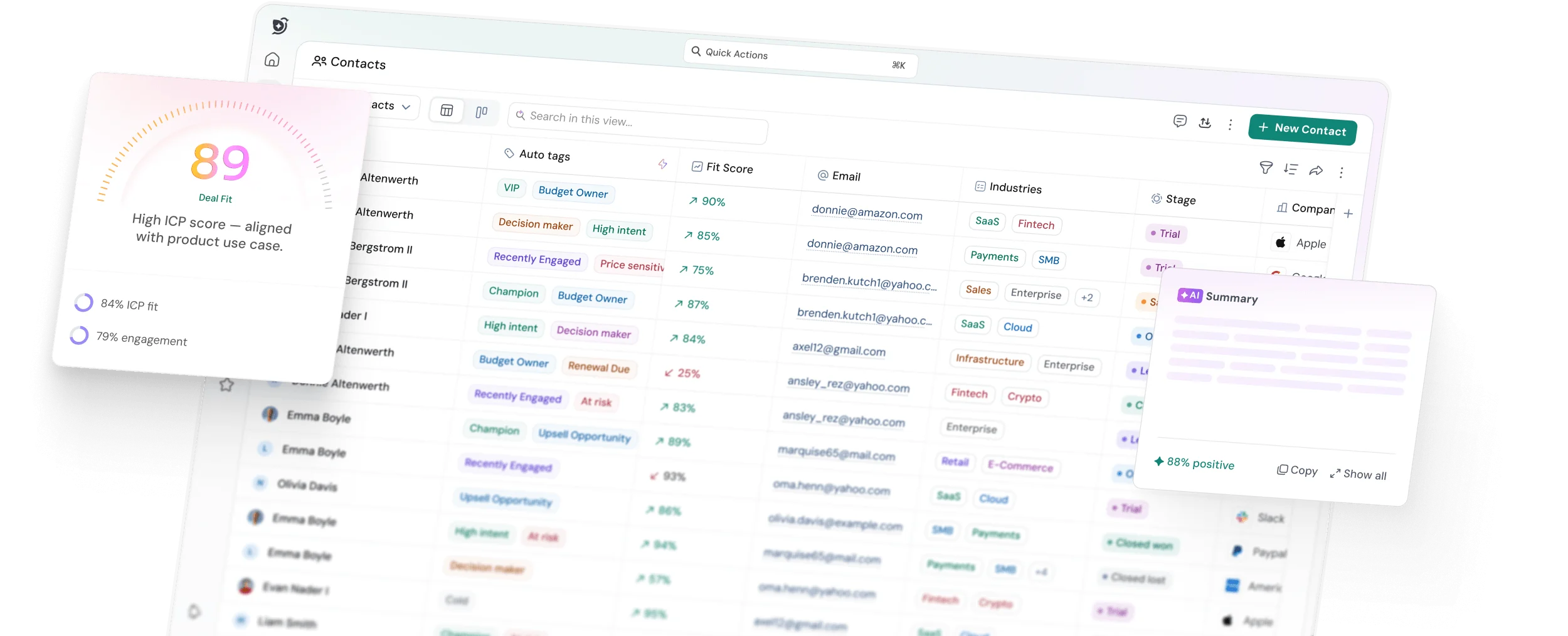
Fixes the guesswork in that checklist: SparrowCRM's ICP Fit Score and Buying Intent Score surface both fit and readiness automatically on every lead record, so reps don't have to piece together BANT criteria by hand. Reps see who's actually ready before they pick up the phone.
See How SparrowCRM Qualifies Leads
Final thoughts
MQL vs SQL isn't a labeling exercise. It's the difference between a rep wasting a call and closing one. Get the criteria clear, score leads on real behavior, and use a checklist instead of gut feel. That's what turns a messy handoff into a pipeline both teams trust.

Frequently Asked Questions (FAQs)
Related Articles

23 May, 2025
Prospect vs. Lead: What's the Real Difference (and How to Convert)

26 Jun, 2026
Lead routing: what it is, how it works, and best practices
.webp?2026-09-14T15:44:03.253Z)
19 Jun, 2026