SALES STRATEGY
How to sell anything to anyone: A step-by-step guide that actually works

By Ganesh Ravi Shankar
Last updated on Jun 11, 2026
Explore the blog to learn how top salespeople win deals by solving customer problems, building trust, handling objections confidently, and following a proven sales process that drives consistent results.

It’s not about pushing products and memorising the perfect pitch anymore. Today’s buyers want salespeople who understand their challenges, can offer personalised solutions, and can guide them with trust and confidence. The best salespeople, whether they sell services, software, or physical products, are those who focus on problem-solving, not just talking about features.
In this blog, you will discover the key principles behind successful selling, such as how to build trust, discover customer pain points, handle objections effectively, and close deals with confidence. From understanding your audience to perfecting your follow-ups, these practical strategies will help you improve your sales conversations and increase your chances of winning more customers.
Key takeaways
Master the art of selling by focusing on customer problems rather than product features, and follow a proven process that builds trust and delivers results.
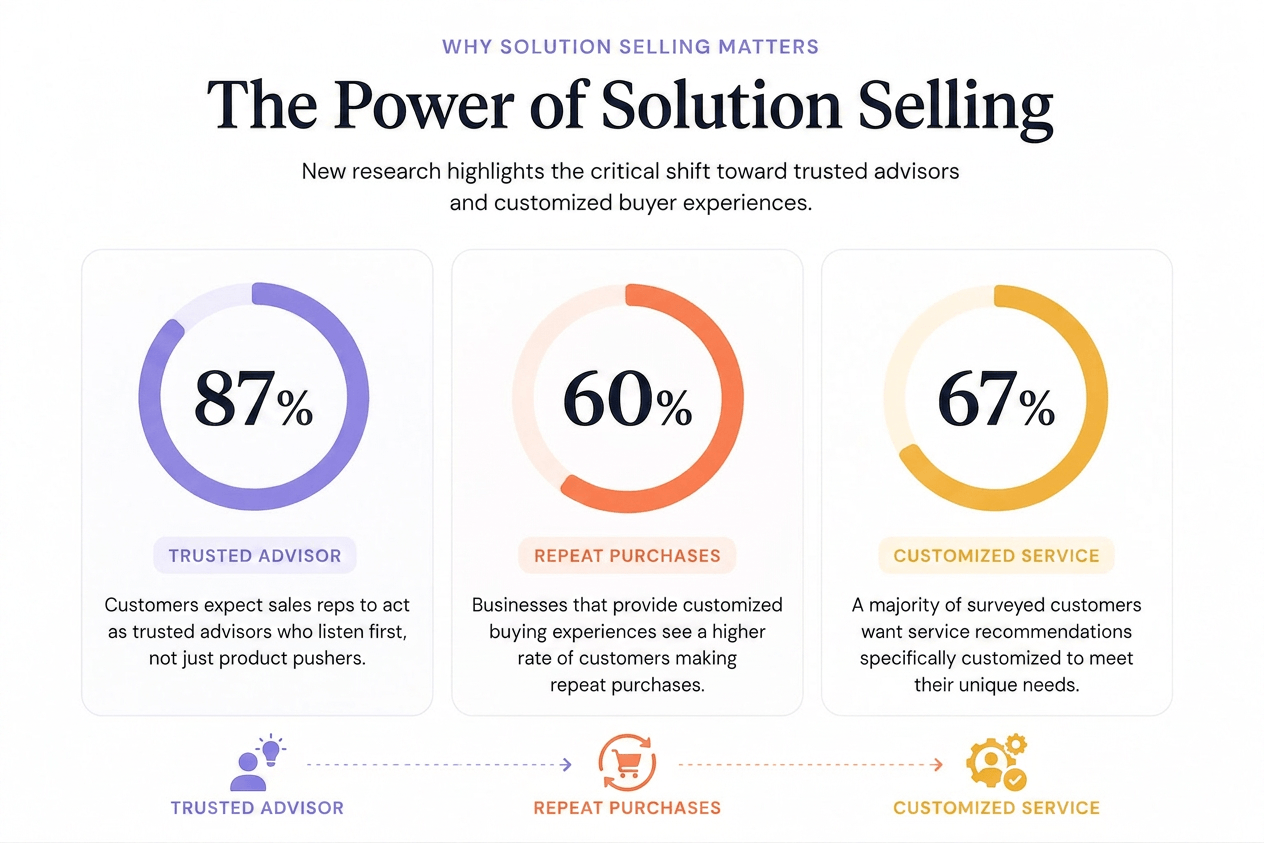
- Sell solutions, not products: 87% of buyers expect sales reps to act as trusted advisors who understand their specific problems before pitching solutions.
- Follow the 4-step sales process: Know your audience, build genuine trust first, ask discovery questions to find pain points, then make a direct ask for the sale.
- Embrace objections as opportunities: 60% of customers say no four times before saying yes, and sellers who handle objections well achieve 64% close rates.
- Persistence pays off: 80% of sales require five follow-up attempts, yet 44% of salespeople quit after just one rejection, missing most opportunities.
- Personalization drives results: Companies focusing on personalized experiences see 40% revenue increases and 60% higher customer retention rates.
The key to selling anything lies in becoming a problem-solver rather than a product pusher. When you genuinely understand customer challenges and match them with tailored solutions, you transform from just another salesperson into a trusted business partner.
The golden rule: sell the solution, not the product
Most salespeople lose deals before they even start talking about price. The mistake happens earlier, when they jump straight into listing features without understanding what the customer needs. Think about visiting a doctor who prescribes medication halfway through describing your symptoms. You wouldn't trust that diagnosis, and you'd probably seek a second opinion.
Customers react the same way when we pitch products before learning their problems. Business buyers make this clear: 87% expect sales reps to act as trusted advisors, not product pushers. They want someone who listens first and solves second.
Here's what changes when you sell solutions instead of products: customers stop comparing you to every other option in the market. About 60% of customers will make repeat purchases from businesses that provide customized buying experiences. The same research found that 67% of surveyed customers want service recommendations customized to meet their needs.
The change sounds simple, but it requires a different approach to how to sell anything. Product selling means rattling off specifications and hoping something sticks. Solution selling means asking questions and identifying pain points. You match your offering to their situation.
This principle makes you more than just another salesperson trying to close a quick deal. You become a partner who understands their business challenges and knows how to fix them. Customers don't wake up thinking about your product's features. They wake up worried about problems that slow down their team, waste their budget, or limit their growth. Your job is to connect those problems to the solutions you offer.
4 simple steps to master the sales process
Become skilled at selling anything by using a repeatable process. These four steps work whether you're learning to sell products face-to-face or figuring out how to make sales through digital channels.
Know who you are selling to
Tailored experiences drive results. 68% of consumers expect all experiences to be tailored. Start by researching your prospect's industry, company challenges, and role-specific pain points. Only 42% of marketers know their audience's demographic information. Most salespeople skip this step. Don't be one of them.
Build genuine trust first
Trust determines whether prospects buy from you. Customers who trust their salesperson are three times more likely to forgive a single bad experience. Show up prepared with relevant insights about their business. 81% of respondents say they'd buy again from a company represented by a salesperson they trust when you demonstrate genuine interest in solving their problems rather than pushing products.
Ask questions to find the pain point
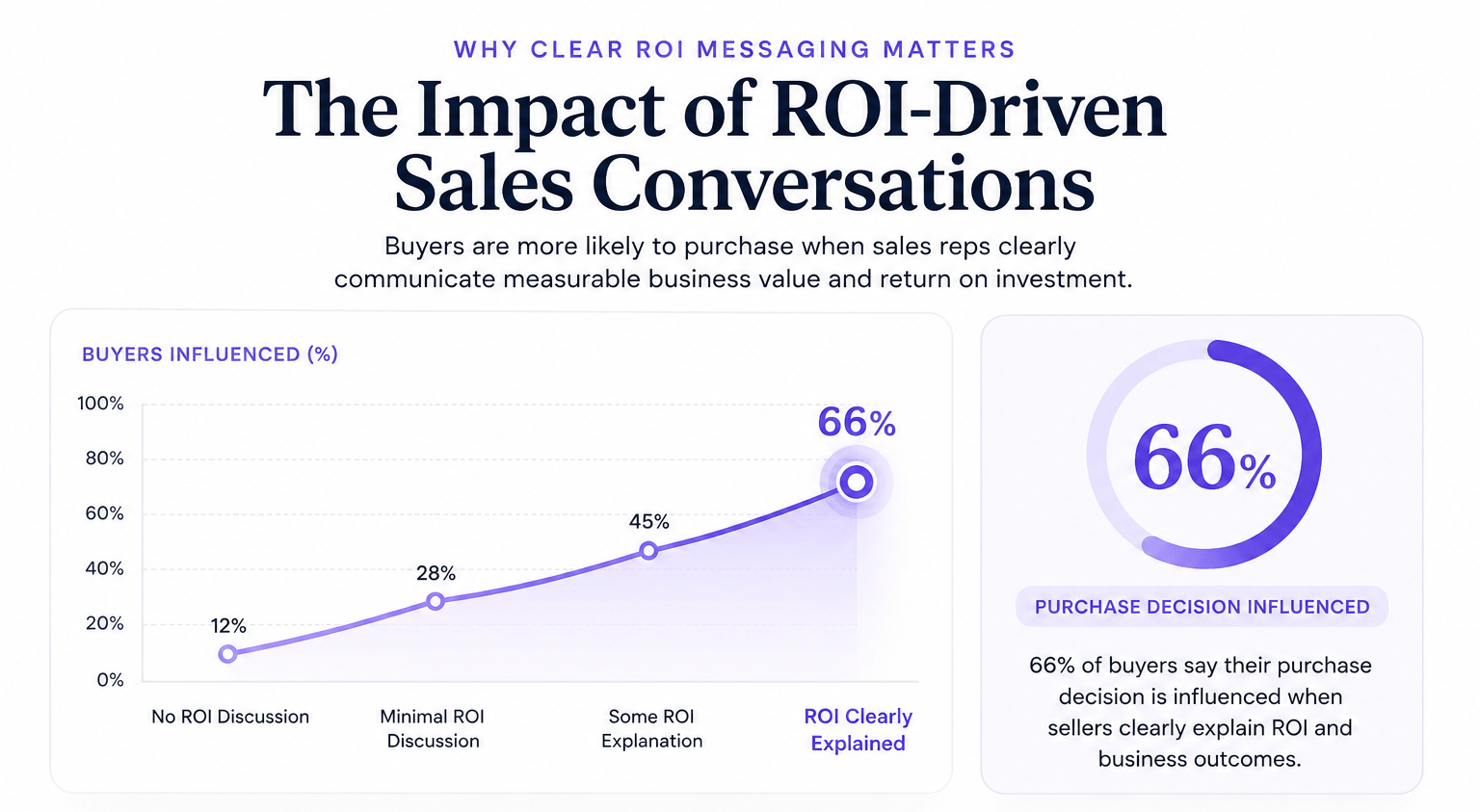
Discovery separates average sellers from top performers. Ask open-ended questions like "What's your biggest priority this year?" and "What obstacles stand in your way?" Listen more than you talk. 66% of buyers say their purchase decision is influenced when sellers make the ROI case clear, yet only 16% find sellers effective at doing this.
Make the ask (Closing the Deal)
Ask for the sale once you've shown value and addressed concerns.
For growing sales teams, managing follow-ups manually can quickly become overwhelming. Tools like SparrowCRM help sales reps track conversations, automate reminders, and stay consistent with every prospect throughout the sales cycle.
Research shows 80% of sales require five follow-up attempts after the first contact, yet 44% of salespeople give up after just one attempt.
Want to turn more conversations into closed deals?
How to handle the dreaded "no" (Objections)
Objections don't signal the end of a conversation. 60% of customers say no four times before they say yes. When you hear "It's too expensive" or "We're happy with our current solution," you're getting valuable information about what's blocking the sale.
Sellers who address buyer objections achieve close rates as high as 64%. The difference comes down to how you respond. Research shows that sales reps who stay calm when hit with objections perform better than those who rush to counter every concern.
Pause after hearing an objection. This brief silence shows confidence and gives prospects space to expand on their thoughts.
The most effective objection handling follows four steps: Listen without interrupting. Acknowledge their concern to build rapport. Explore the root cause by asking open-ended questions and respond with specific solutions.
Ask "What concerns you about the price?" instead of defending your pricing right away. You'll uncover whether budget is the real issue or if they're questioning your value.
Common objections fall into six categories: price, timing, authority, need, competition, and trust. Each requires a different approach, but all benefit from the same foundation of active listening and empathy. Objections are buying signals in disguise. They show the prospect is engaged enough to voice concerns rather than walk away.
Final thoughts & next steps
You now have everything you need to become skilled at selling anything to anyone. Listen to your customers and sell solutions that solve their problems. The four-step process works when you use it consistently, and note that objections are opportunities, not roadblocks.
Most salespeople give up too early by a lot. Persistence matters. Keep refining your approach and focus on building trust first. These principles will improve your close rates with each conversation.