What actually works in B2B sales strategy right now
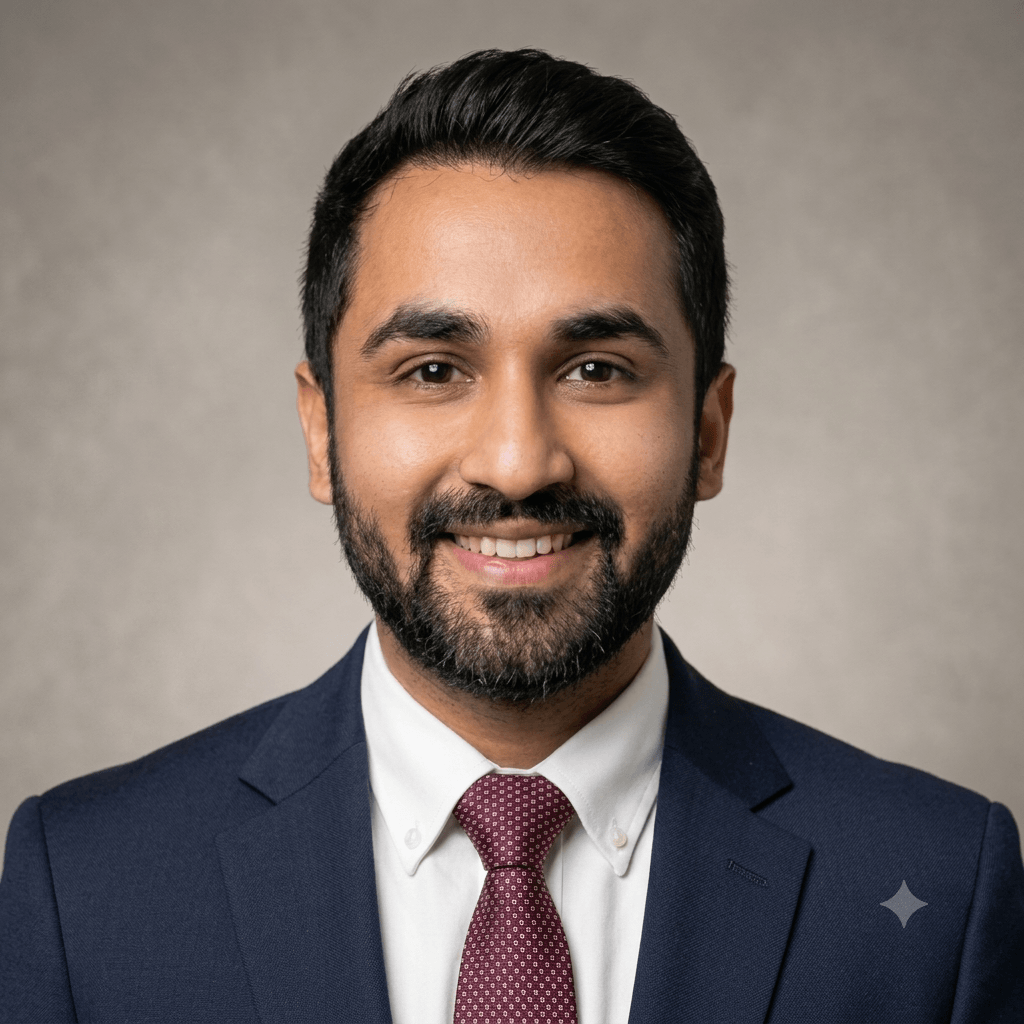
By Prateek Panchal
Last updated on Aug 10, 2026
Explore Prateek Panchal's approach to building an effective B2B sales strategy after more than 15 years in SaaS, IT services, staffing, EdTech, consulting, and international education.
- How did you find your way into sales?
- What's the lesson you learned early in your career that still shapes how you sell today?
- What are your biggest lessons on leadership after building and leading teams for 14 years?
- What trends do you think are shaping the future of B2B sales?
- What sales problem are you tackling in 2026?
- How have your sales processes changed after the AI wave?
- Which tools are helping you work smarter today?
- How important are in-person relationships and events in an increasingly digital world?
- What advice would you give to someone stepping into sales today, and to a budding sales leader?
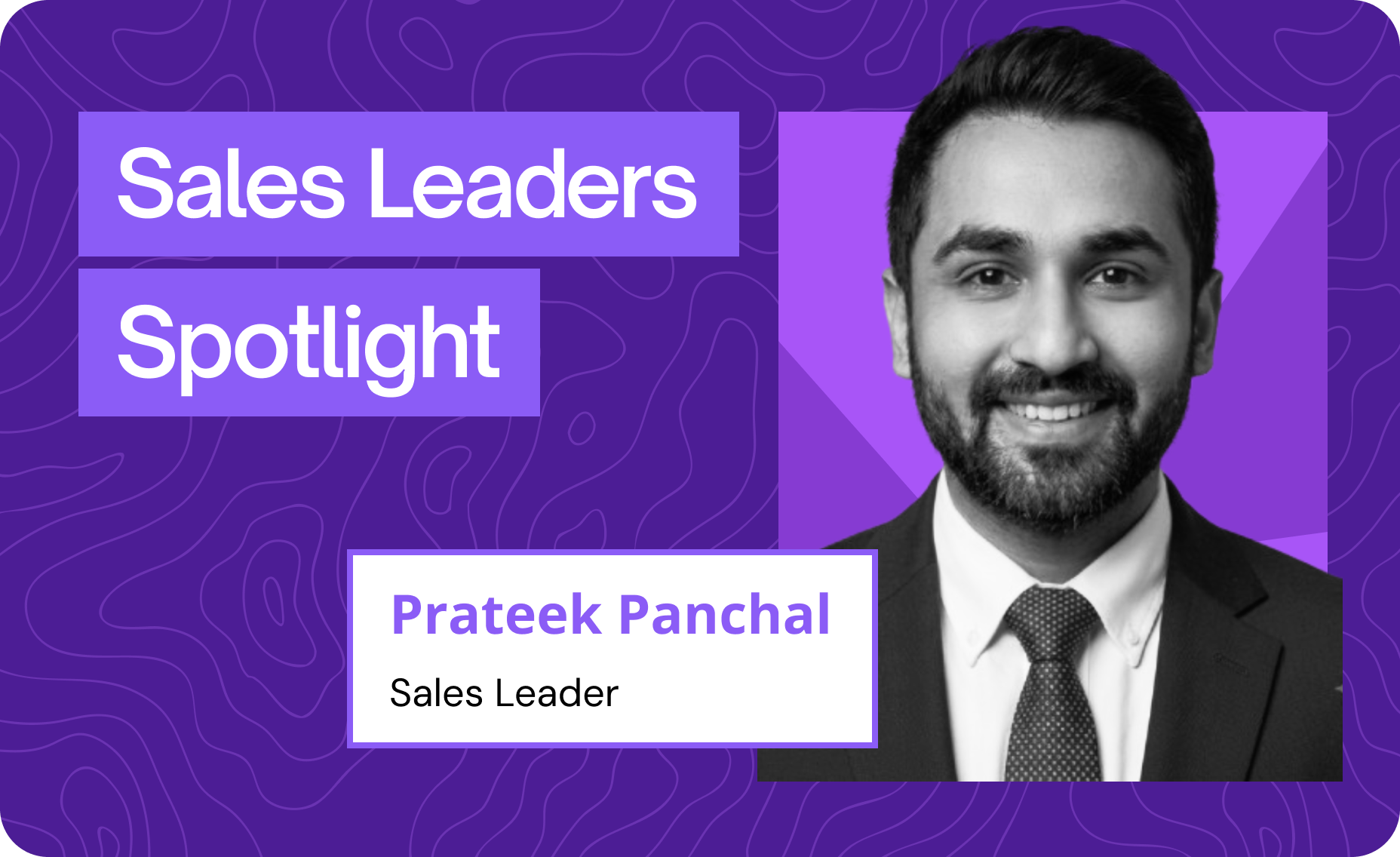
People in Sales is a community hosted by SparrowCRM, and the Spotlight Series highlights the sales leaders shaping how B2B teams sell, lead, and grow inside it.
This week's guest is Prateek Panchal, who has spent more than 15 years in B2B sales across IT services, US staffing, EdTech, SaaS, US consulting, and international education. His work sits at the go-to-market layer: opening new markets, building sales teams from scratch, and figuring out why some pipelines move while others just sit there looking busy. The question he says he's been obsessed with for most of that time is a simple one with no simple answer: how do you consistently convert market opportunity into revenue?
How did you find your way into sales?
Prateek didn't plan a career in sales. Nobody really does, he says. What changed his thinking was realizing that sales isn't a job title at all.
“Sales is not a department. It's not a job title. It's the only function in a company where you sit exactly at the intersection of the market and the business.”
Once he saw sales that way, he stopped treating it like a career and started treating it like a craft, one he says he's still sharpening 14 years later.
What's the lesson you learned early in your career that still shapes how you sell today?
Early on, Prateek thought preparation meant walking into a meeting with every answer ready. A senior colleague, someone skilled at understanding the room before saying a word, taught him otherwise.
“He would walk into meetings and say almost nothing for the first 30 minutes, just listening and reading the room.”
That one sentence, delivered after real listening, landed harder than any rehearsed pitch. Prateek has carried the habit into every room since.
What are your biggest lessons on leadership after building and leading teams for 14 years?
Prateek is blunt about most sales leadership: it's often micromanagement wearing a nicer title. He also breaks with convention in hiring, betting on transferable sales skills over years spent in a single industry.
“My real job as a leader was never to monitor people. It was to remove the reasons they couldn't perform.”
He believes curiosity and discipline travel across industries, and that assuming otherwise has already cost companies some of their best potential hires. In his view, anyone who can sell one product can learn to sell another. They just need time to understand it.
What trends do you think are shaping the future of B2B sales?
Prateek is tired of hearing AI called a strategy. To him, it's an accelerant, and right now it's speeding up bad habits. The real shift is buyers who no longer need salespeople to educate them.
“Your prospect today has done the research, spoken to your existing customers, compared your pricing against three competitors, maybe even shortlisted you before you have introduced yourself.”
Reading those buyer intent signals early, not after the first call, is becoming the real skill gap in B2B sales. The salespeople who last the next five years, he argues, won't win by pitching better. They'll win by reframing a problem in a way the buyer genuinely hadn't considered.
Watch the full conversation with Prateek Panchal
What sales problem are you tackling in 2026?
Looking ahead to 2026, Prateek points to signal pollution as the problem he's most focused on. Every team already has intent data, engagement triggers, and behavioral signals sitting in front of them, but most are still making gut calls because none of it adds up to a clear picture.
“Silence from a US prospect usually means they have moved on. Silence from a Gulf prospect might mean they are your most serious buyer.”
The same signal means something different depending on where you're selling, and reading it wrong is expensive. Closing that interpretation gap, not collecting more data, is the specific problem he's working on right now.
How have your sales processes changed after the AI wave?
Most teams, Prateek says, haven't actually changed their process. They've just bolted AI onto a broken one, instead of rethinking the outreach volume driving it.
“Most companies haven't changed their sales process. They have just put AI on top of a broken one.”
What changed for him personally was time. AI gave back hours he now spends going deeper on fewer accounts before ever reaching out.
Which tools are helping you work smarter today?
Prateek's stack includes Clay for account intelligence, Apollo for sequencing but only when there's real intent behind it, Sales Navigator to understand an organization before he speaks to anyone inside it, and HubSpot to keep the pipeline honest rather than optimistic. But tools aren't the fix on their own.
“Get the thinking right first, then automate, not the other way around.”
He's watched teams with excellent sales prospecting tools and AI sales tools still underperform, simply because nobody had agreed on what a winning b2b sales strategy actually looked like before turning the automation on.
How important are in-person relationships and events in an increasingly digital world?
Having worked across international markets, Prateek has seen how differently trust gets built depending on where you're selling. No email sequence replicates a real conversation in the room.
“The decision to trust someone with your business is still a deeply human decision.”
Any international sales strategy that ignores this, he says, misses what actually moves a deal forward. Different cultures define trust differently, and humans make that call differently depending on whether they're sitting across a table or reading an email.
What advice would you give to someone stepping into sales today, and to a budding sales leader?
To new salespeople, Prateek says skip the advice to stay in your industry lane. Product knowledge comes in 90 days; genuine listening takes years. Invest in whatever takes longer to build, and be more interested in the other person than interesting to them. To new leaders, he points somewhere unexpected.
“If your team is underperforming, look at your culture before you look at their numbers.”
Training dropped into a broken culture changes nothing, he warns, if a manager goes back to micromanaging on Monday morning. Fix the environment first, and the numbers tend to fix themselves.

Prateek Panchal
Prateek Panchal is a B2B sales strategist with over 15 years of experience helping organizations build predictable revenue engines across SaaS, IT services, staffing, consulting, EdTech, and international education. He focuses on designing scalable sales systems, improving pipeline-to-revenue conversion, and developing go-to-market strategies that drive sustainable growth.